Selling an inherited house that needs repairs: What to consider first
Inheriting a house that needs repairs is different from deciding whether to renovate your own home before selling.
This guide explains: how inherited property issues can change the repair decision, what to consider before putting money into the house, and when selling as-is may make more sense than fixing it first.
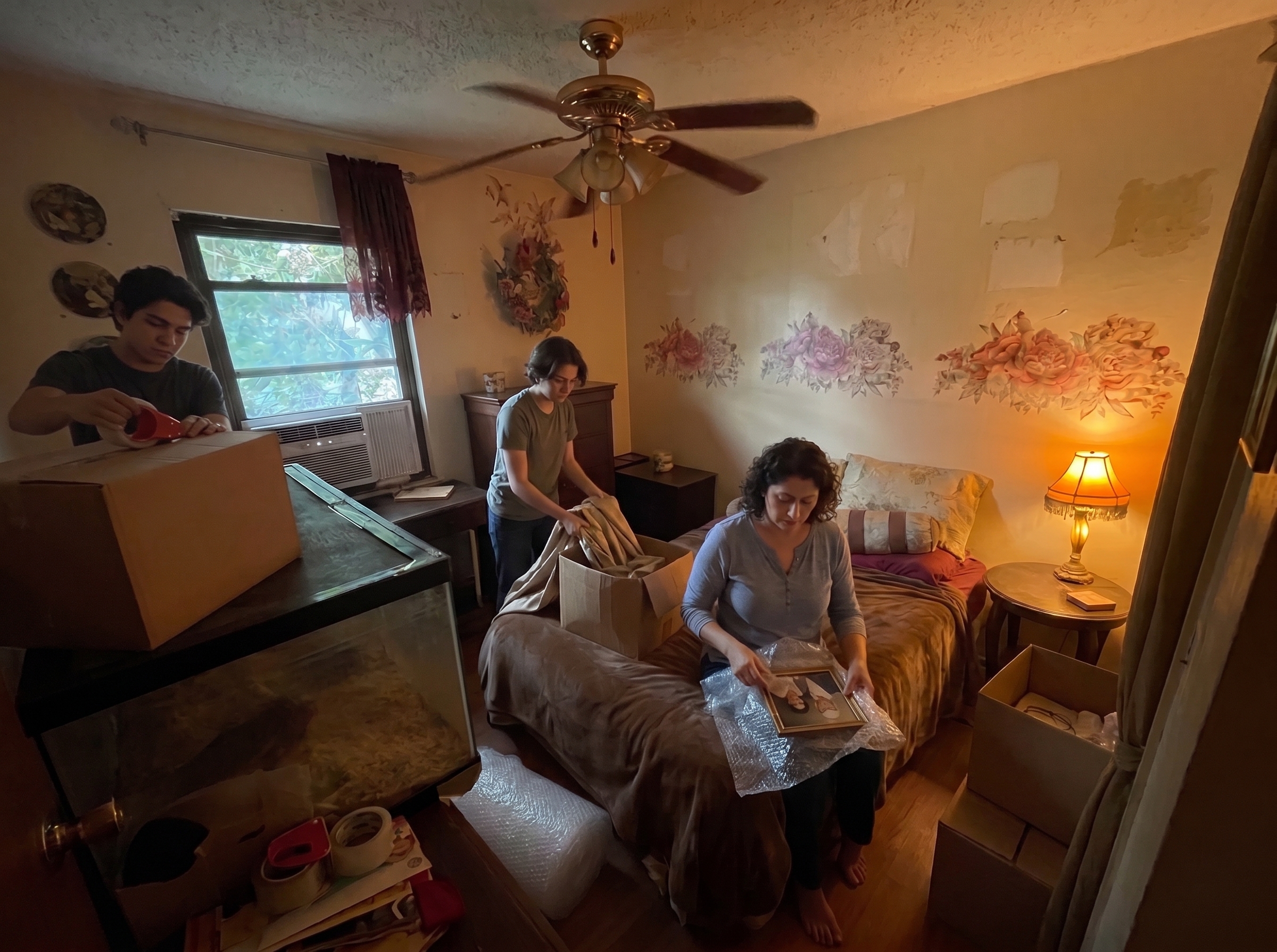
- If you inherited a house that needs work, first confirm who has authority to approve repairs and spend estate money.
- With multiple heirs or owners, disagreement over what to repair, how much to spend, or whether to repair at all can delay the decision.
- Estate costs, mortgage balances, taxes, and liens can reduce how much it makes sense to invest in repairs before selling.
- A house that has sat vacant may have developed additional problems that change the cost of getting it ready to list.
- Before investing heavily in repairs, an inspection and title review can uncover problems that could change the repair plan or delay a future sale.
- You can sell an inherited house without making repairs. Selling as-is may make sense when the likely return from fixing the property does not justify the cost, time, or coordination involved.
What to consider before making repairs
Who has authority to approve repairs?
If the house is still part of an estate, first confirm who has authority to make decisions about the property. An appointed executor or administrator may be able to maintain or repair the home while the estate is being settled.
Before committing estate money to major work, make sure the person authorizing it has the legal authority to do so and that the investment makes sense for the estate.
Do all heirs need to agree on repairs?
Not always. An executor or administrator may have authority to handle repairs without getting every heir’s approval.
But once several people own the property, disagreement over how much to spend, what to fix, or whether to repair at all can delay the work while carrying costs continue.
Will the repairs actually pay off?
Mortgage balances, taxes, liens, probate costs, insurance, and other estate expenses can reduce both the repair budget and what heirs ultimately receive.
Before committing to major work, compare what the estate already owes with what the repairs are realistically likely to add to the sale. Here's a framework for doing repair math.
Vacancy can make small problems bigger
An inherited house may sit empty for months while title, probate, or family decisions are worked out. During that time, small leaks, pest activity, moisture, or neglected maintenance can turn into larger repairs.
That matters because the repair plan you would have made when the house was first inherited may no longer make financial sense.
Before putting money into cosmetic updates, make sure vacancy has not created bigger problems that change the cost of getting the house market-ready.
Could an inspection change the repair decision?
If you are considering putting money into an inherited house before listing it, an inspection can help you find the problems that could change the math later.
A house may look like it needs cosmetic updates but also have foundation, roof, plumbing, electrical, or moisture issues that affect what buyers will pay, what their lender may require, or whether more repairs come up after you are already under contract. So the question becomes:
If I spend $20,000 fixing this house, am I about to discover another $30,000 problem when a buyer inspects it?
If the Texas Seller’s Disclosure Notice applies, you still disclose based on what you actually know. An inspection is not required just because you inherited the house, but it can give you a clearer picture before you decide whether fixing and listing is worth the investment.
Are there title issues to resolve before you invest?
An inherited house can have heirship issues, probate requirements, liens, missing signatures, or questions about who has authority to sell. Repairing the property does not resolve those problems.
Before putting substantial money into the house, have the title and estate situation reviewed so you know what must be resolved before a sale can close. That can reveal whether you are looking at a straightforward sale or months of additional work, costs, or coordination.
When selling as-is may make more sense
Repairs may make sense when the estate has the money, the owners are aligned, and the likely increase in sale price justifies the time and risk.
Selling as-is may make more sense when:
the house needs more work than expected,
heirs do not want to fund the repairs,
carrying costs are growing, or
resolving the estate matters more than chasing the highest possible retail price.
Want to see what it looks like to skip the repairs? Hear from a seller who chose a simpler path and see what we took off their plate. All our seller stories are verified with a review link.
TALK TO US
When you’re ready to talk, start here.
You don't have to have everything figured out before you call. If you're in Houston or DFW and want to know what a cash sale looks like for you, let's talk.
You're not committing to anything. You're just getting clarity.
or call888-981-9143