Resource Library
Good decisions start with good information. These resources explain the issues homeowners face and what to consider, so you can make an informed decision about what comes next.
Avoid foreclosure
View all

Texas Foreclosure Process & Timeline: What happens when
Texas foreclosure can move quickly once the formal notice process begins.If you’re behind on your mortgage, the most useful thing to know is what happens next, which deadlines matter, and when your options start to narrow.
Read
How to stop foreclosure in Texas
If you are behind on your mortgage, the best way to avoid foreclosure depends on one question: Are you trying to keep the home, or do you need a way out of the loan?This guide explains what each option does, when it may make sense, and how the amount of time you have left can affect your choices.
Read
How to stop tax foreclosure in Texas
Falling behind on property taxes can eventually put your home at risk, but tax foreclosure in Texas follows its own legal process. A taxing authority can file a lawsuit to collect delinquent taxes and foreclose the tax lien on the property.This guide explains how tax foreclosure in Texas works, what happens as the debt grows, and what options may still be available before and after a tax sale.
ReadPayments, liens & debt
View all
Lien on a house? What it means and what you can do
Finding out there may be a lien on your house can be confusing, especially if you are not sure who filed it, how much is owed, or whether it will stop you from selling. This guide explains what a lien means in Texas, how to find out if one is attached to your property, common types of liens, and what options you have.
Read
Should I sell or rent my house to pay off debt?
If debt is driving the decision, renting out your house can sound like a way out. But rent only helps if the income left after the mortgage, taxes, insurance, repairs, and vacancy improves your financial standing. This guide compares renting with selling so you can see which option is more likely to reduce the debt, lower your monthly obligations, and give you room to recover.
ReadDisaster damage
View all
Selling a fire-damaged house in Texas: What to know
Fire damage does not prevent a sale, but it can change what the house is worth, what insurance will cover, and which buyers can realistically close. This guide explains how fire damage affects value, how the insurance payout changes the repair-or-sell decision, what Texas sellers have to disclose, and what selling the property as-is looks like.
Read
How to sell a house with flood or water damage in Texas
Yes, you can sell a house with flood or water damage in Texas. The damage changes what buyers may accept, what you may need to disclose, and whether repairing first is worth the cost. This guide explains your selling options, and when repairing, waiting on insurance, or selling as-is may make more sense.
ReadDivorce
View all
How a divorce house buyout works in Texas
In a divorce, a house buyout is when one spouse keeps the home and buys out the other spouse’s share. This guide shows how a buyout is calculated, how people pay for one, the risks, and when selling may make more sense.
Read
What happens to the house in a divorce in Texas?
In a Texas divorce, the house may be sold, kept by one spouse, or owned jointly for a time. This guide walks through who gets the house, what happens to the mortgage, how a sale works, and what changes when there is a court deadline or not enough equity.
ReadMajor repairs
View all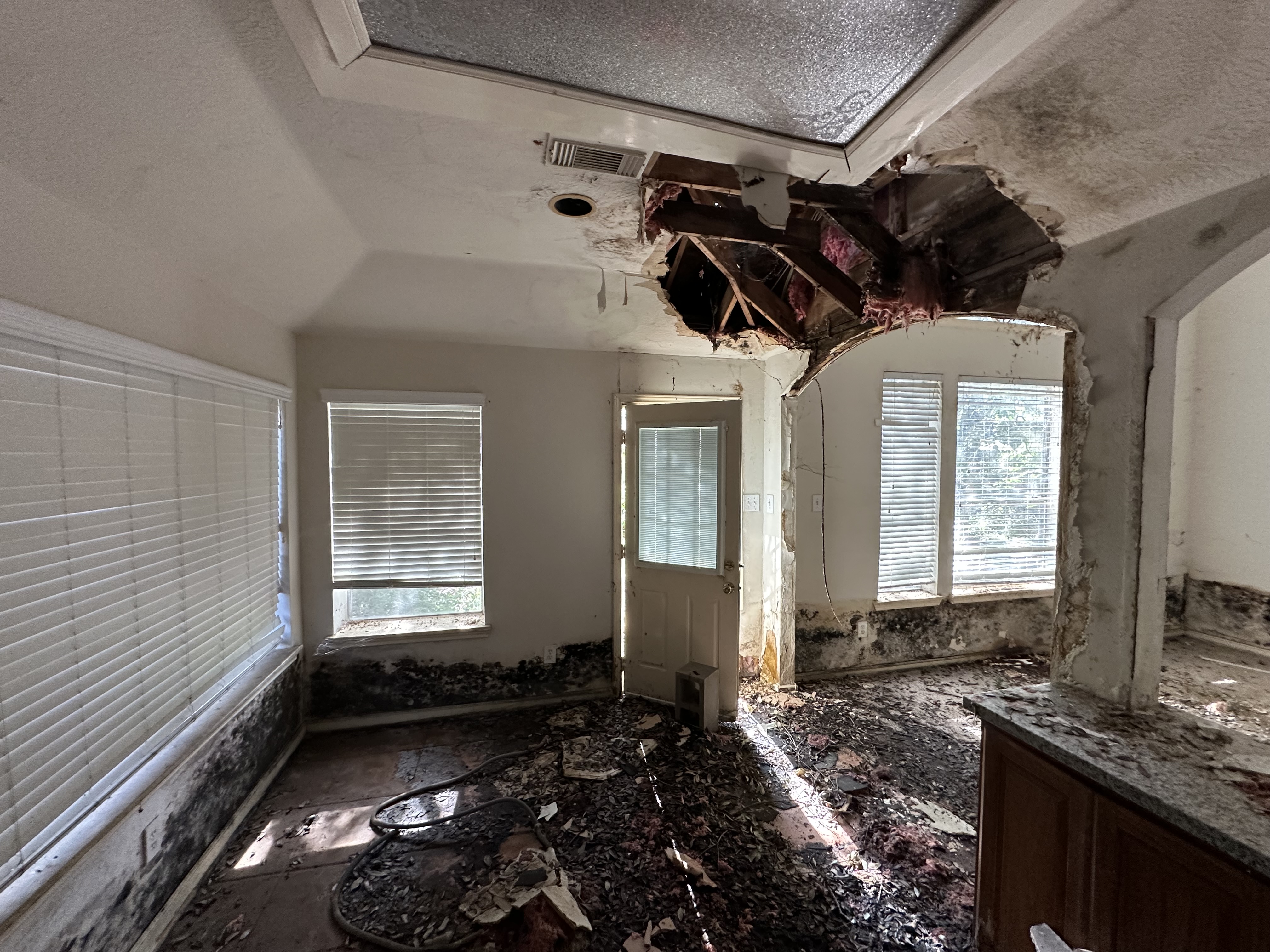
Can you sell a house with mold in Texas?
Yes. You can sell a house with mold in Texas, but significant mold can affect disclosure, buyer financing, and how much it makes sense to spend before putting the house on the market. This guide explains how to assess the problem, what Texas sellers have to disclose, how mold can affect a financed sale, and how to compare the cost of remediation with selling the house as-is.
Read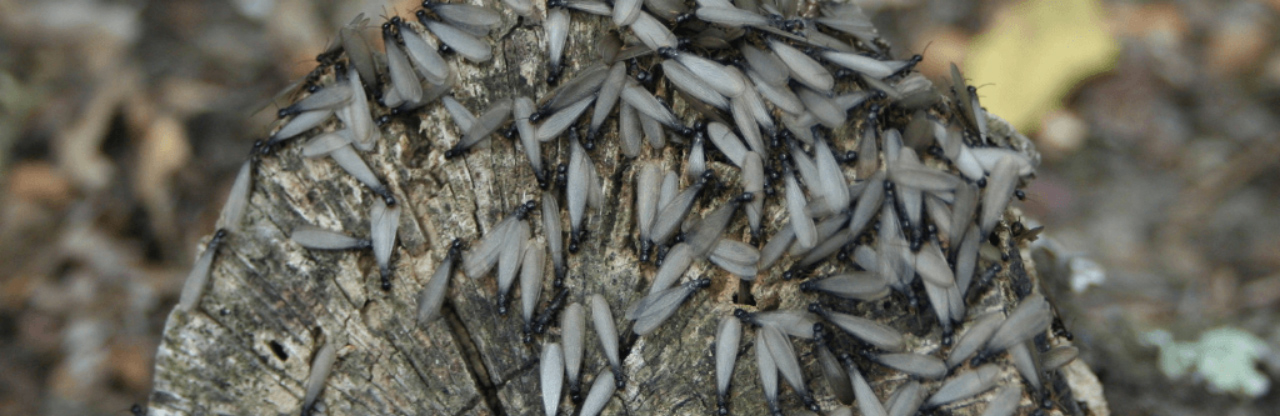
Can you sell a house with termites in Texas?
Yes. You can sell a house with termites in Texas. The extent of the damage affects what you may need to disclose, what buyers and lenders will accept, and which selling options make sense. This guide explains how to assess the damage, what Texas sellers have to disclose, and the main ways to sell a house with termite problems.
Read
What to consider before selling a house that needs repairs
Selling a house that needs major repairs is possible, but the work can affect who can buy it, how long the sale takes, and what you ultimately net. This guide walks through the risks and the numbers to consider before you choose a selling path.
ReadGeneral guidance
View all
Are “We Buy Houses” companies scams?
You've seen the signs stapled to telephone poles: "We buy houses, cash, any condition." Most lead to real companies. A few don't, and real estate scams cost Americans hundreds of millions of dollars a year.Learn how to tell a legitimate one from the rest before you sign anything.
Read
Should I sell my house to an investor?
Selling for cash means trading some potential market price for speed and certainty. In some situations, that tradeoff is the better option. This guide shows what you gain, what you give up, the problems an experienced cash buyer can solve, and when you're better off listing with an agent.
Read
How to sell your vacant house fast in Texas
A vacant house is not a paused problem. Expenses keep running, while damage, theft, and other issues can go unnoticed and get worse. This page explains what a vacant house can cost you, the risks to watch for while it sits empty, and your options for selling it.
ReadHealth & aging
View all
Selling a parent's home to pay for assisted living
For families who have decided to sell to pay for assisted living, the questions start immediately: Who handles the sale? Who can sign? How long does it take? This page covers how a home sale like this works in Texas, what a cash sale looks like, and what needs to be in place before you can close.
Read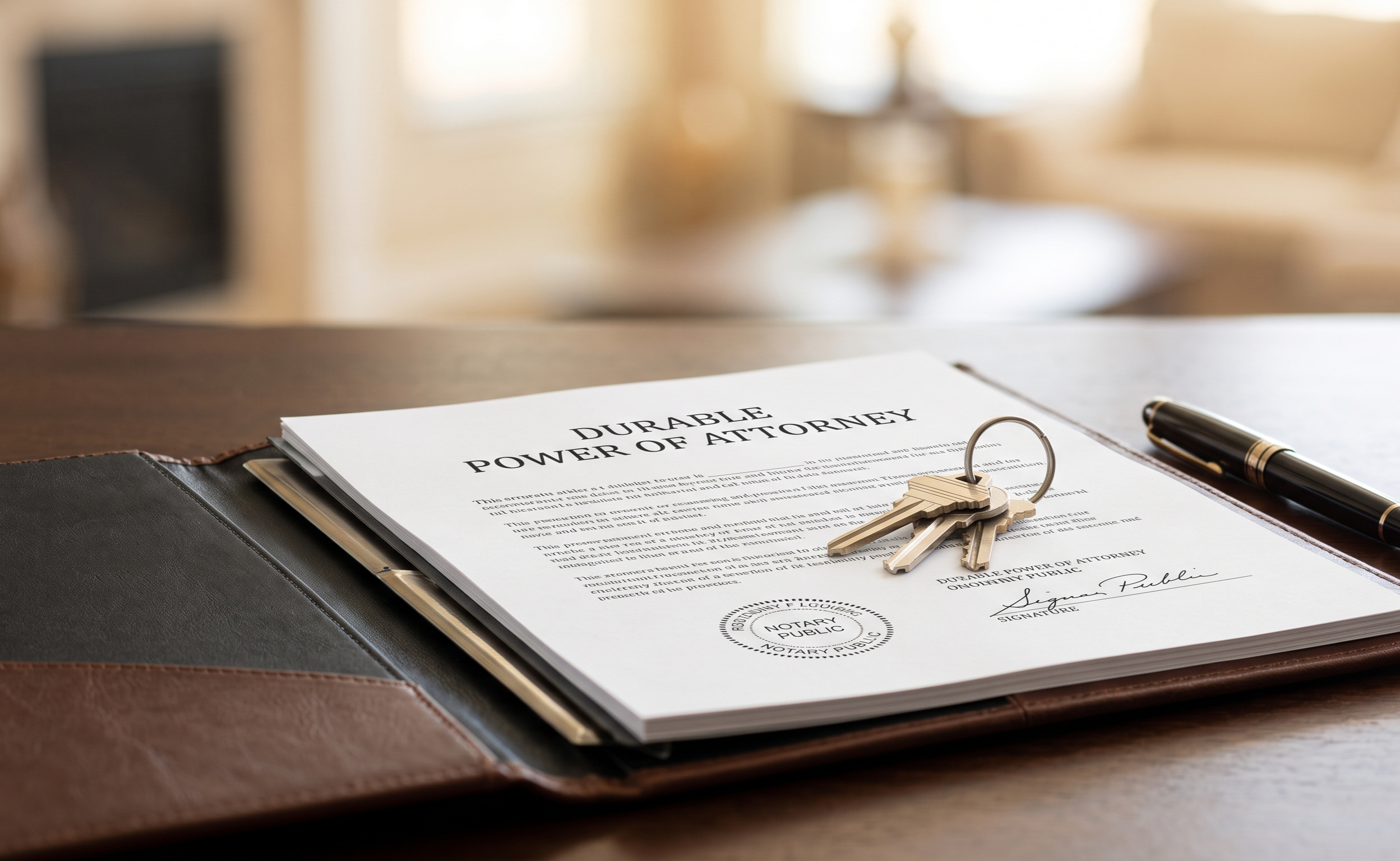
Can I use a power of attorney to sell a house?
Yes. A power of attorney can allow someone else to sell a house for the owner, but in Texas, the details matter. This guide explains what authority you need, when a durable POA matters, what Texas requires for real estate transactions, and what the title company will want to see before closing.
ReadInherited house
View all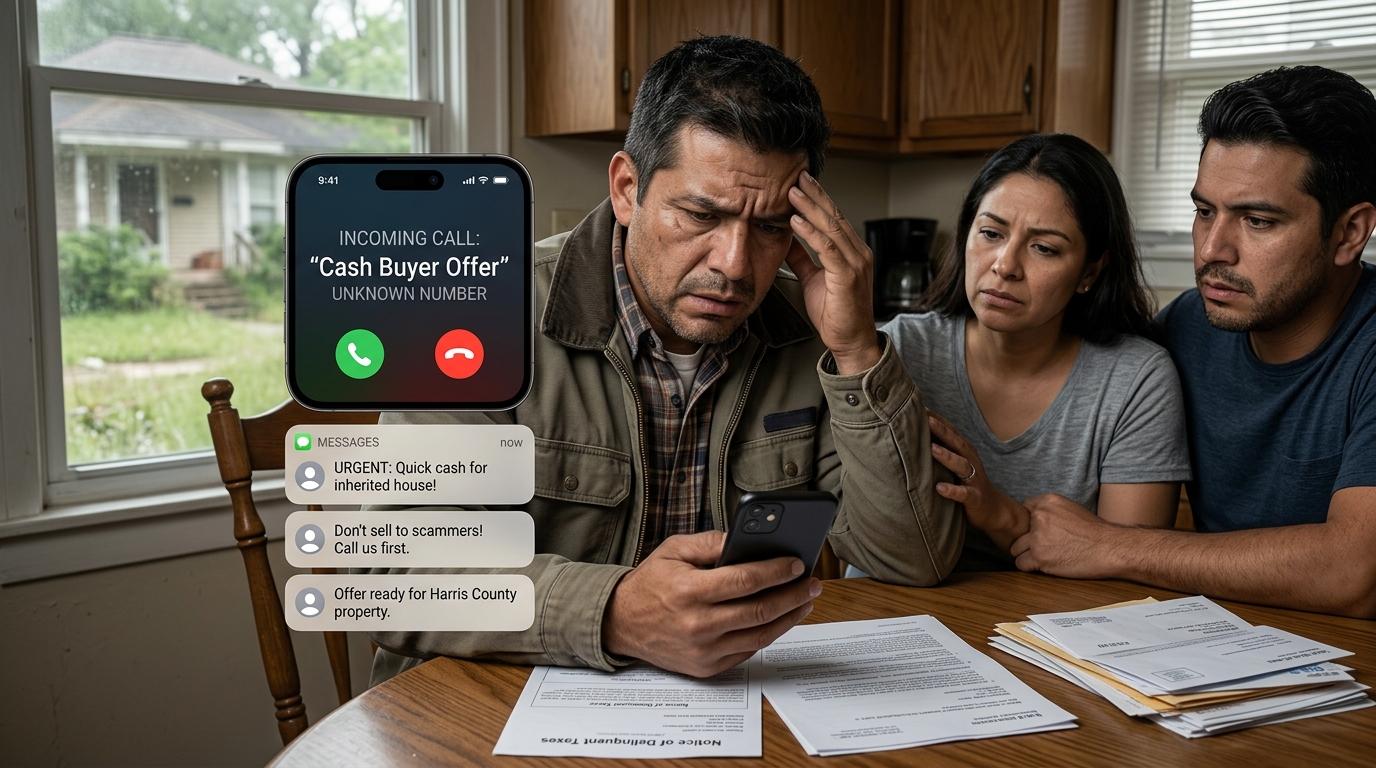
Home investor scams: What heirs should know about inheriting a home
You inherited a house. Within days, your phone rings. Someone wants to make you a cash offer on the home. But how did they know? This guide explains how cash buyers can find heirs through public probate records, why they get contacted quickly, and what to watch for.
Read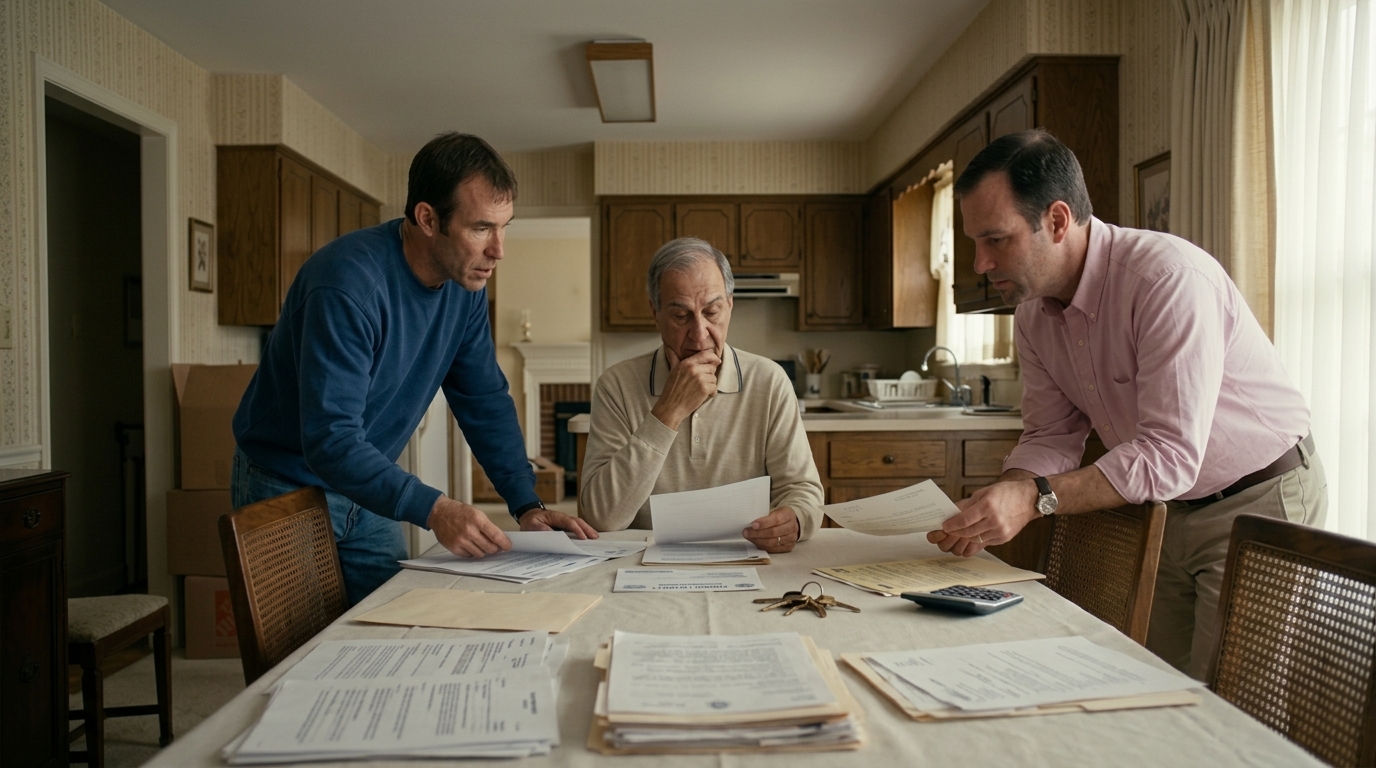
How to sell inherited property with multiple owners
Selling inherited property with multiple owners gets more complicated when people disagree about the price, timing, or whether to sell at all. This guide explains your main options in Texas: buying out another owner, selling together and dividing the proceeds, and what can happen when a co-owner asks the court for a partition.
Read
How inherited property is taxed when you sell in Texas
If you inherited a house and are thinking about selling it, the tax bill may be smaller than you expect. This guide explains stepped-up basis, how to calculate your gain or loss, federal capital gains tax, and what Texas does and does not tax so you can understand what a sale could mean before you decide.
ReadRelocation
View all
How to sell a house from out of state
You've already moved, but your Texas home is still yours. Now you're managing the property, the expenses, and the sale from another state. This guide covers what changes once you're selling from a distance, including carrying costs, vacant-home risks, your selling options, and how to close remotely.
Read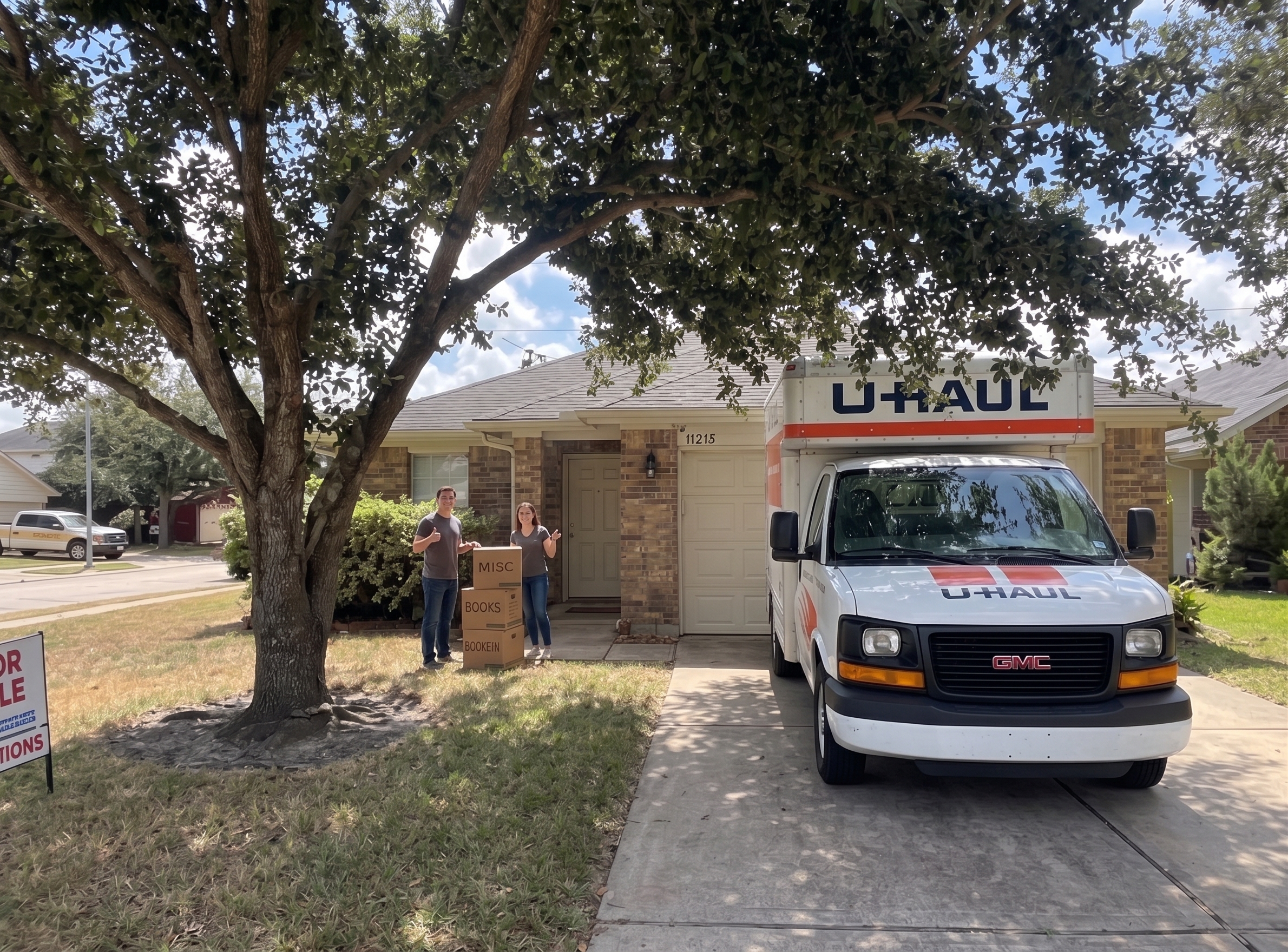
Does selling to an investor make sense when you're moving?
When you're moving and selling your home, compare the whole equation. A traditional listing may bring a higher sale price, but selling costs, repairs, and carrying costs can reduce what you actually net. This guide shows you how to compare those numbers and decide whether a direct cash sale is worth considering.
Read
Selling your house for a job relocation
If you're moving for work and still own a home in Texas, the first question is whether you have enough time to list, find a buyer, and close before you leave. This guide helps you work backward from your move date so you can see whether a traditional sale fits your timeline and what to consider if it doesn't.
ReadRental property
View all
How to sell your rental property in Texas
A rental can look profitable depending on which number you are looking at. But that doesn't mean it is. If repairs, vacancies, tenant problems, or management costs are cutting into the return, this guide helps you decide whether to keep or sell the property, even with tenants still in place.
Read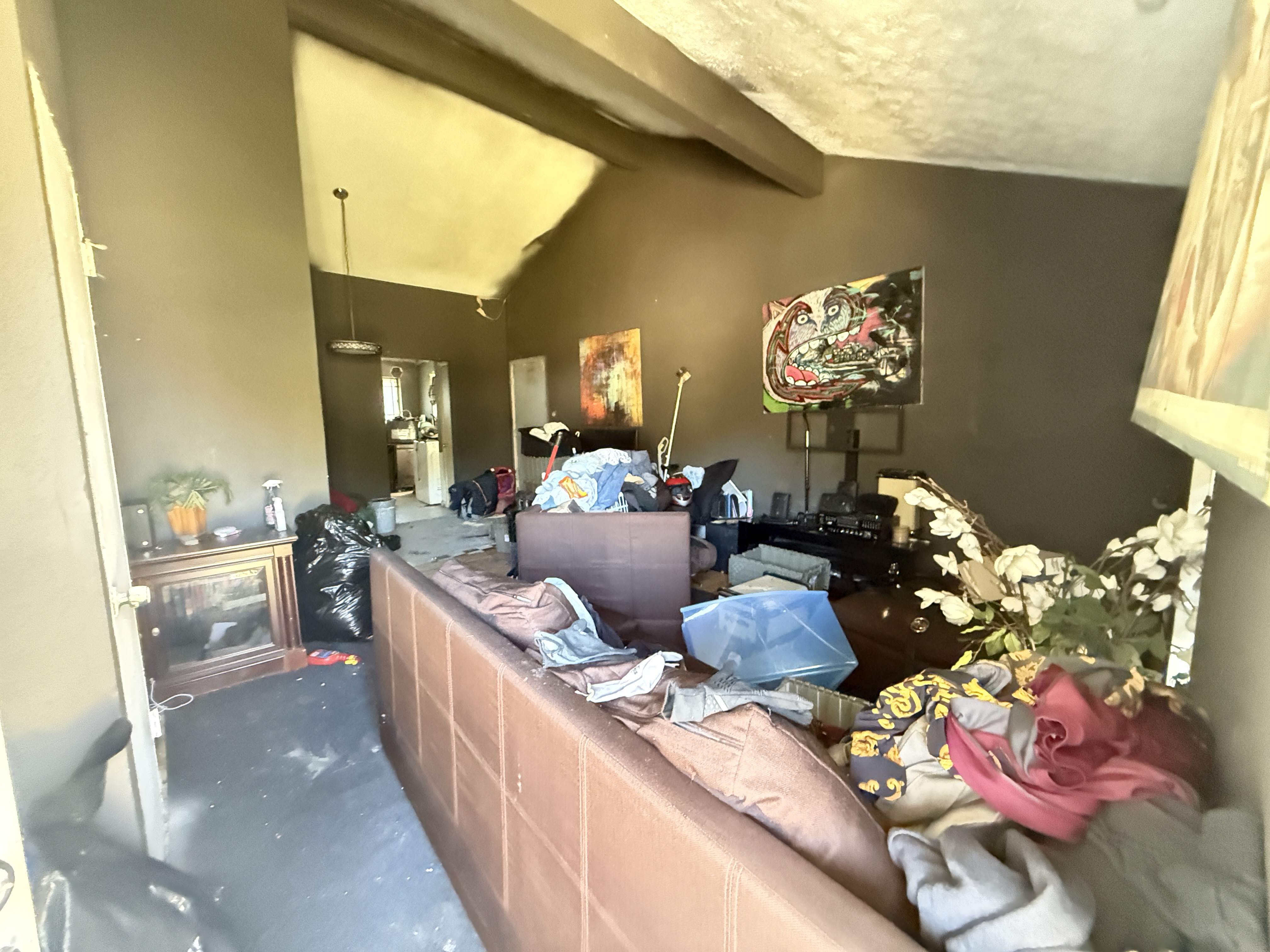
Texas squatters rights: What property owners need to know
Texas does not give someone ownership rights simply because they move into or stay in a property without permission. How they came in does dictate how they can be removed. This guide shows how former tenants, family members, and unlawful occupants each require different removal processes.
Read
How to protect yourself from bad tenants
Most tenant problems start before they become a crisis, with weak screening, vague lease terms, or poor documentation. This guide shows Texas landlords how to reduce that risk and protect themselves when problems start.
Read