Can you sell a house with mold in Texas?
Yes. You can sell a house with mold in Texas, but significant mold can affect disclosure, buyer financing, and how much it makes sense to spend before putting the house on the market.
This guide explains how to assess the problem, what Texas sellers have to disclose, how mold can affect a financed sale, and how to compare the cost of remediation with selling the house as-is.
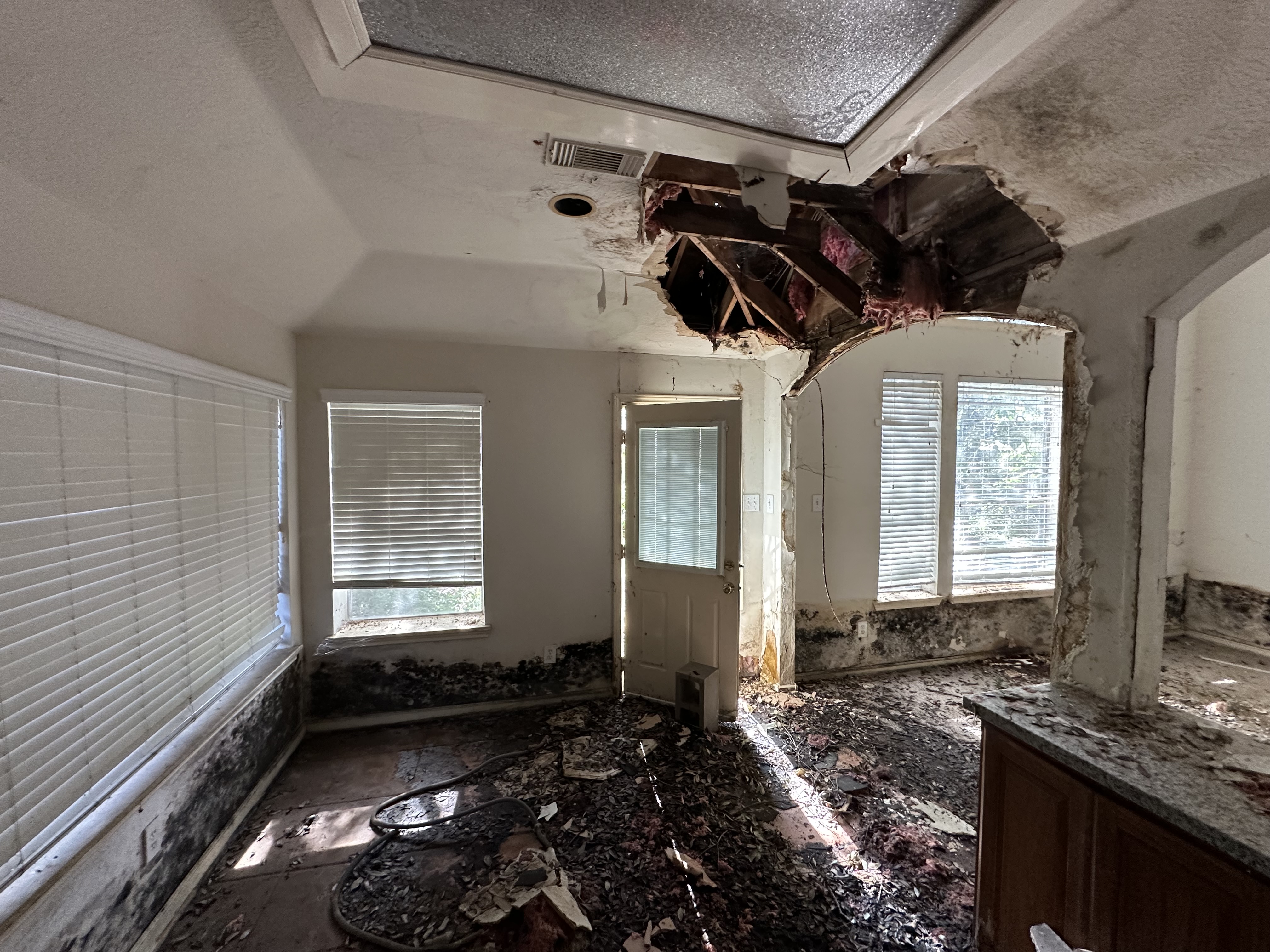
- You can sell a house with mold in Texas, but the extent of the problem affects disclosure, financing, and what buyers will pay.
- Find out how serious it is first: where the mold is, what is causing the moisture, and what remediation would actually involve.
- Known mold and prior remediation generally need to be disclosed. Selling as-is does not remove that obligation.
- Then compare the real cost of each path: remediate and pursue a retail sale, list with the problem and expect a discount and more deal risk, or sell directly as-is without buyer-financing risk.
How serious is the mold problem?
Not every mold problem has the same effect on a sale. A small visible area around a window or bathroom is very different from mold behind walls, in subflooring, attic framing, or an HVAC system.
Before deciding whether to remediate or sell, find out how far the problem extends and what is causing the moisture. In Texas, mold assessment is a regulated activity, and licensed mold assessors can inspect the property and determine the scope of the problem.
The more building materials or systems are affected, the more likely the problem is to change the cost of remediation, the buyer pool, and whether a financed sale can move forward. Get your own mold inspection before listing.
What about black mold? Color alone does not tell you how serious a mold problem is. “Black mold” is not a specific category of mold, although the term is often used for Stachybotrys chartarum. The more useful questions for a seller are how extensive the growth is, what materials are affected, and whether the moisture source has been corrected.
Moisture problems can also create conditions for other damage. If you are seeing signs of wood damage too, see our guide to selling a house with termites.
Do you have to disclose mold when selling a house in Texas?
For most residential sales in Texas, the seller must provide a Seller’s Disclosure Notice based on what they know about the property. Known mold or moisture-related conditions that materially affect the property should not be hidden just because the house is being sold as-is.
Past remediation matters too. Texas disclosure forms ask about repairs or treatments made to address environmental hazards such as mold. And if a mold remediation certificate was issued for the property within the five years before the sale, Texas law requires the seller to give the buyer a copy.
So, is it illegal to sell a house with mold? It is legal to sell a house with mold in Texas. The issue is disclosure. For most residential sales, sellers must provide a Seller’s Disclosure Notice based on what they know about the property.
The practical rule is simple: disclose what you know and provide the documentation you have. Selling as-is changes who is taking responsibility for future repairs. It does not erase disclosure requirements.
How mold can affect a traditional home sale
Significant mold can create problems at more than one point in a traditional sale. A buyer may ask for remediation or a price reduction after inspection, and visible moisture or mold can also raise concerns during the appraisal or lender review.
With FHA financing, signs such as excessive dampness or mold can lead to additional inspection or required repairs before the property qualifies. VA-financed homes also have to meet minimum standards for being safe, sound, and sanitary, so unresolved conditions can require repairs before closing.
You can put a home on the market without remediating first, but that carries risk. The buyer may renegotiate after inspection, financing requirements may surface later in the contract, or the deal may fall apart and leave you back on the market with the mold problem still unresolved.
That is why sellers with significant mold usually need to compare two very different paths:
spend the money to remediate before pursuing a retail sale, or
sell to a buyer willing to take the property in its current condition.
What does mold remediation cost, and is it worth it before selling?
Mold remediation can range from a contained cleanup to a much larger project involving drywall, flooring, framing, or HVAC components. The cost depends on how far the mold has spread, what materials have to be removed, and whether the moisture source also needs repair.
Before spending the money, get a real remediation quote and find out what other repairs would be needed to put the house back together afterward. Removing mold is only part of the cost if walls, flooring, or other materials have to be replaced.
Then compare the full cost with what the work is likely to change about the sale. Remediation may open the house to more financed buyers and reduce the risk of inspection or appraisal problems, but there is no guarantee you will recover every dollar you spend.
Repair and list or sell as-is?
Once you know the extent of the mold and what remediation would cost, the decision becomes more concrete.
Repair and list may make sense when the work is manageable and completing it gives you access to a larger pool of financed buyers. The tradeoff is that you pay for remediation and any related repairs upfront without knowing exactly how much of that cost you will recover in the sale price.
Listing without remediating first is also possible, but as noted above, it can leave you with the downsides of both paths. Significant mold can narrow the pool of financed buyers, so any serious interest will likely come from investors or repair-oriented buyers. You may end up accepting an investor-style price while still paying agent commissions and other listing costs, with the added possibility of inspection renegotiation or financing problems before closing.
Selling directly as-is avoids paying for remediation before the sale and removes the buyer-financing risk. The buyer evaluates the mold and other repairs upfront and makes an offer based on the house in its current condition. The tradeoff is that the offer reflects the cost and risk of taking on those repairs.
For a seller deciding whether to repair first, the useful comparison is:
what you could realistically net after remediation and a retail sale, versus
what you could net by selling the house in its current condition
A simpler way to sell
Before putting thousands into mold remediation and repairs, it helps to know what the house is worth in its current condition. Big State can give you an as-is offer so you have a real number to compare with the cost of repairing and listing.
Want to see what it looks like to skip the repairs and move forward? Hear from a seller who chose a simpler path and see what we took off their plate. All our seller stories are verified with a review link.
TALK TO US
When you’re ready to talk, start here.
You don't have to have everything figured out before you call. If you're in Houston or DFW and want to know what a cash sale looks like for you, let's talk.
You're not committing to anything. You're just getting clarity.
or call888-981-9143