Can you sell a house with termites in Texas?
Yes. You can sell a house with termites in Texas. The extent of the damage affects what you may need to disclose, what buyers and lenders will accept, and which selling options make sense.
This guide explains how to assess the damage, what Texas sellers have to disclose, and the main ways to sell a house with termite problems.
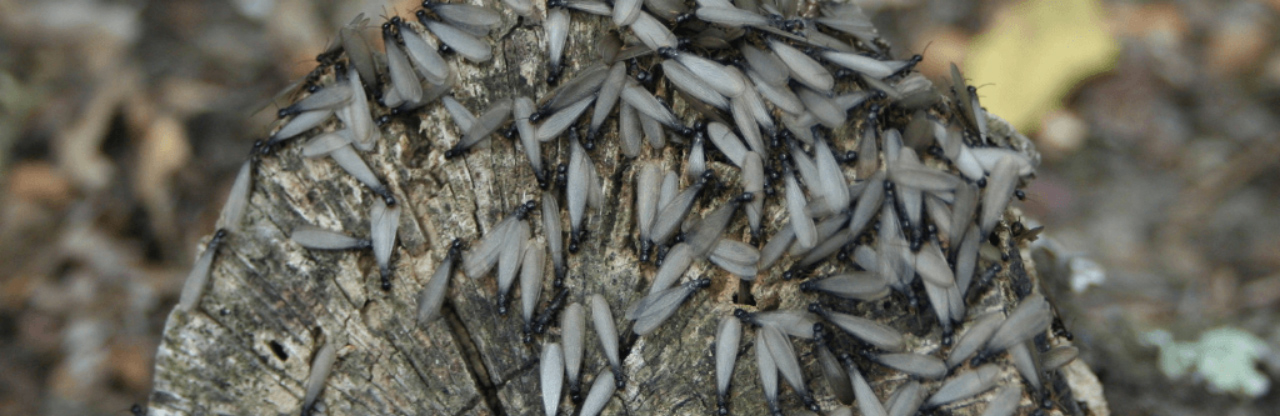
- You can sell a Texas house with termites, but active infestation or structural damage can affect price, financing, and buyer interest.
- Known termite history must be disclosed, including past damage or treatment when the Texas disclosure form asks for it.
- Find out what you actually have first: active vs. past infestation, visible damage, and realistic treatment or repair costs.
- Then compare your options: repair before listing, list as-is and negotiate, or sell directly as-is with the condition reflected in the offer.
How to assess termite damage before selling
Before deciding whether to repair or sell as-is, find out whether you have an active infestation and how much damage is actually visible.
A Texas Wood Destroying Insect Report, or WDI report, can identify visible evidence of active or previous termites and conditions that make infestation more likely. For a real estate transaction, the report must be completed by a properly licensed termite-control professional.
A WDI report does not tell you how much structural damage the termites caused. If damaged joists, framing, subflooring, or other structural components are suspected, you may need a qualified contractor or engineer to evaluate the repairs separately.
Before choosing how to sell, get clear on three things:
Is the infestation active or old? Evidence of a past treated infestation is different from termites that are still active.
Is there visible damage beyond the infestation itself? The more the damage affects structural components, the more likely it is to affect repairs, buyer financing, and negotiations.
What would treatment and repairs actually cost? Get estimates based on your house rather than relying on national averages. Those numbers help you compare repairing before listing with selling the property in its current condition.
One note: Termite damage and moisture problems can show up in the same areas. If you are also seeing signs of moisture, see our guide to selling a house with mold.
What do you have to disclose about termites in Texas?
For most sales of a single-family home in Texas, the seller must provide a Seller’s Disclosure Notice describing known conditions of the property. The Texas form specifically asks about active termites or other wood-destroying insects, termite or wood-rot damage needing repair, previous termite damage, and previous termite treatment.
That means a past termite problem can still belong on the disclosure even if it was treated or repaired. The form is based on what you know about the property when you complete it.
If an inspection or WDI report reveals a material defect, that information can also become something you need to disclose to later buyers. Texas REALTORS notes that sellers who receive an inspection report are charged with knowledge of the defects it identifies.
A pre-listing WDI inspection can still be useful if you need a clearer picture before deciding how to sell. Just understand that the report may give you new information about the property that then needs to be handled accurately in the sale.
Your options for selling a house with termite damage
Once you know what you are dealing with and what must be disclosed, you have a few ways to handle the sale:
1. Treat and repair before listing. This costs money upfront, but it can remove a major objection for buyers and make financing easier. It also lets you market the home after the problem has been addressed rather than negotiating around an active infestation or unfinished repairs.
2. List the house in its current condition. You can disclose the termite history and let buyers decide what they are willing to take on. A buyer may ask for treatment, repairs, or a price adjustment during negotiations. You can agree, decline, or negotiate another solution.
Buyer financing matters here. FHA appraisers must flag evidence of wood-destroying insects, and the lender can require a specialist inspection and repairs before the loan closes. For VA loans, wood-destroying-insect information is required throughout Texas.
3. Sell directly as-is. A cash buyer can evaluate the house with the termite damage already factored into the offer, so you do not have to complete treatment or structural repairs before selling. The tradeoff is that the offer reflects the work and risk the buyer is taking on.
As mentioned earlier, selling as-is does not remove your disclosure obligations.
A simpler way to move forward
Termite damage does not automatically mean you need to repair the house before selling. Big State can help you compare what repairs would cost, what the house could sell for afterward, and what an as-is offer looks like today.
Want to see what it looks like to skip the repairs and move forward? Hear from a seller who chose a simpler path and what we took off their plate. All our seller stories are verified with a review link.
TALK TO US
When you’re ready to talk, start here.
You don't have to have everything figured out before you call. If you're in Houston or DFW and want to know what a cash sale looks like for you, let's talk.
You're not committing to anything. You're just getting clarity.
or call888-981-9143