Selling a fire-damaged house in Texas: What to know
Fire damage does not prevent a sale, but it can change what the house is worth, what insurance will cover, and which buyers can realistically close.
This guide explains how fire damage affects value, how the insurance payout changes the repair-or-sell decision, what Texas sellers have to disclose, and what selling the property as-is looks like.
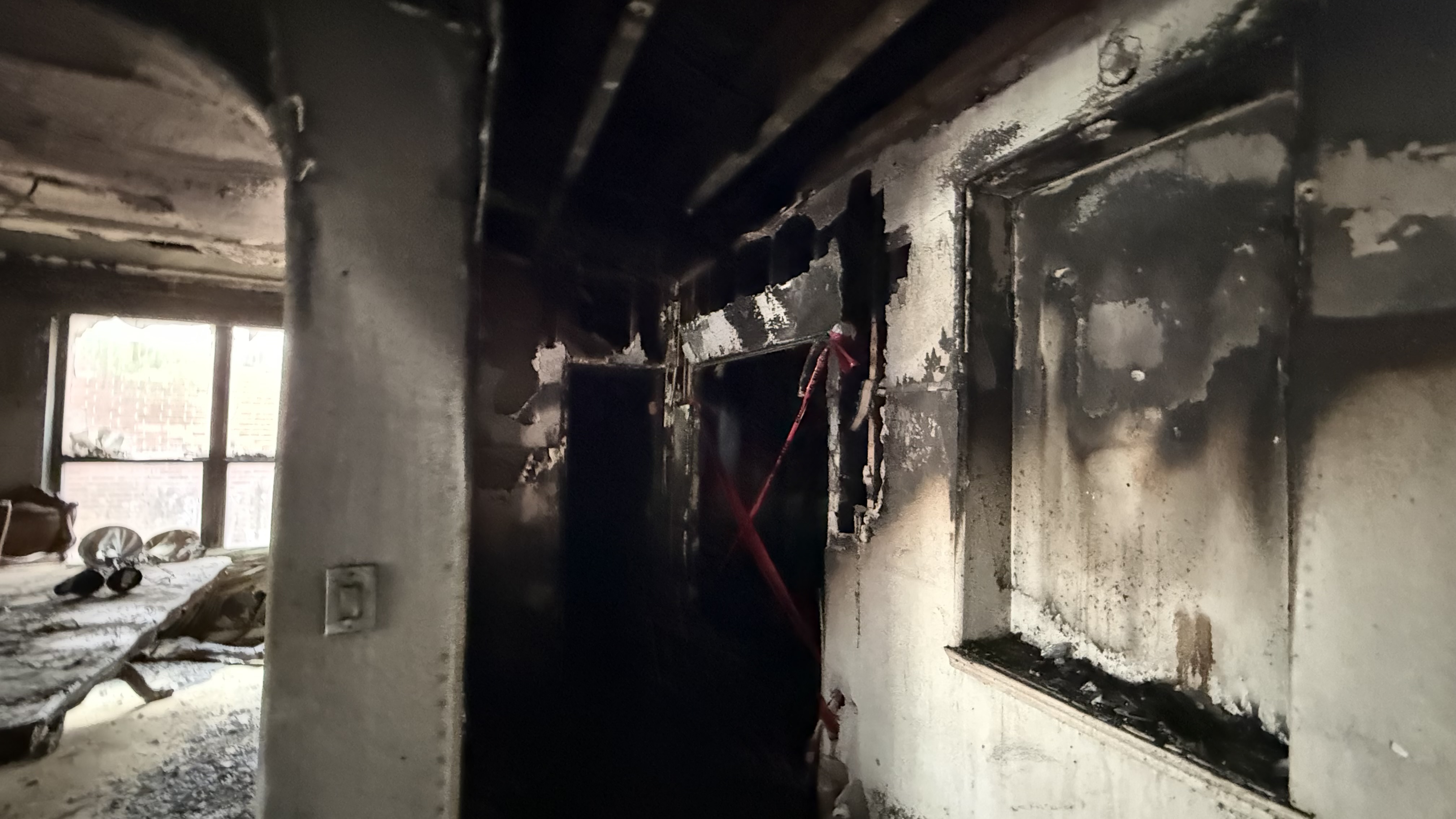
- You can sell a fire-damaged house in Texas, even if repairs are unfinished or the insurer declared a total loss.
- What the house can sell for depends on the extent of the damage, smoke and soot, completed repairs, claim history, and nearby sales.
- Insurance can change the math. Actual cash value, replacement-cost coverage, and withheld depreciation can affect whether repairing before selling makes sense.
- Your main selling paths are repair and list or sell directly as-is. A direct cash sale avoids upfront repairs and buyer-financing risk, but the offer reflects the work still needed.
- Known fire damage still has to be disclosed, even when the property is sold as-is.
Can you sell a fire-damaged house?
Yes. Fire damage does not prevent a sale, even when the damage is extensive or the insurer has declared the property a total loss.
A total-loss decision is an insurance determination. It does not mean the property has no market value or cannot be sold. What changes is the buyer pool, the likely sale price, and whether repairing first makes financial sense.
How fire insurance affects the decision to repair or sell
Your insurance payout can change the math on a fire-damaged house, especially if the cost to repair is higher than the amount available from the claim.
Some policies pay actual cash value, which is replacement cost minus depreciation. Others include replacement cost coverage, which can pay more, but the claim may be paid in stages. In many replacement-cost claims, the insurer pays an initial amount based on actual cash value and releases the withheld depreciation after repairs are completed and documented.
That matters if you are thinking about selling before repairs are finished. Depending on your policy, selling without completing the work may mean you do not receive money that would otherwise be available after the repairs are completed. Check the policy and claim terms before assuming the full replacement-cost amount is yours to use.
Contractor estimates can also come in higher than the insurer’s initial estimate. Texas regulators recommend getting repair estimates and discussing differences or newly discovered damage with the insurance company rather than assuming the first estimate is final.
If the insurer has called the house a total loss, that still does not mean the property has no value or cannot be sold. It means the insurer has made a determination under the policy about the loss. The land and whatever remains of the structure can still have market value.
The question for you is: What will insurance actually pay if you repair, what will the repairs really cost, and what could you sell the property for without doing the work?
Fire repairs can uncover additional costs
Repairing a fire-damaged house may involve more than replacing the materials that burned. Depending on where the property is located and how extensive the work is, permits and inspections may be required, and the repaired work may have to meet current local building requirements.
That can matter in an older home. Electrical, mechanical, structural, or other work uncovered during the repair may add costs that were not obvious in the first estimate. In Houston, for example, the city requires permits before repairs begin on a fire-damaged building after the required inspection.
Before choosing the repair-and-list path, find out what permits, inspections, and additional work your local building department will require and include those costs in the repair estimate.
What affects the value of a fire-damaged house?
Buyers look at the extent of the damage, what has already been repaired, what still needs work, and what comparable properties are selling for.
Structural damage. Burned framing, roof damage, or compromised load-bearing parts can sharply increase the cost and complexity of repairs.
Smoke and soot damage. Even when the fire itself was contained, smoke can spread through walls, insulation, ductwork, and other materials. Water used to put out the fire can also create moisture problems and mold.
How much of the house was affected. A contained kitchen fire is a different problem from damage that spread through multiple rooms or systems. Water used to fight the fire can also create moisture problems and mold, especially in wall cavities and under subfloors.
What has already been repaired. Professionally completed repairs with documentation are easier for a buyer to evaluate than partial or cosmetic work that leaves questions about what is behind the walls.
The home’s insurance and claim history. A prior fire claim can affect how the property is viewed by future insurers, so buyers may factor that history into the cost of owning the home.
Nearby sales. The best comparison is not the home’s pre-fire value. It is what similar properties in the same market are selling for after accounting for condition and remaining repairs.
The value comes down to what the market will support once buyers account for the damage, completed repairs, and work still ahead.
Your options for selling a fire-damaged house
Once you know what insurance is likely to pay and what the repairs will actually cost, there are two main ways to sell.
Repair and list. Completing the fire, smoke, and water-damage repairs can open the house to a larger pool of retail buyers and may support a higher sale price. But you have to put the money and time in first, and incomplete smoke or structural remediation can still surface during inspection after you have already spent on repairs.
Sell directly as-is. A cash buyer evaluates the house in its current condition and prices the remaining work into the offer. You do not have to complete the repairs first, and there is no buyer mortgage that depends on the property meeting a lender’s condition requirements. The tradeoff is that the offer reflects the cost and risk of taking on the damaged property.
If the insurance claim is still open, you may want to understand what the claim will actually pay before committing to either path. The status of the claim can change the numbers, but it does not create a separate way to sell.
What Texas sellers have to disclose about fire damage
For most previously occupied single-family homes in Texas, the seller must provide a Seller’s Disclosure Notice based on what they know about the property. The current TREC form specifically asks whether there have been previous fires and whether the seller knows of defects in areas such as the roof, walls, electrical system, foundation, or other structural components.
That means repaired fire damage can still belong on the disclosure. If the fire damaged part of the house and repairs were made, the seller should answer the form accurately and explain the known history rather than treating the repair as though the event never happened.
Selling as-is does not remove that obligation. And if you learn new material information after completing the disclosure, TREC notes that known material information still has to be disclosed to the buyer.
Who buys fire-damaged homes?
The buyer pool depends on how much damage remains and whether the house can qualify for financing.
Cash buyers and investors are often the most practical fit for homes with extensive or unfinished repairs. They do not need the property to qualify for a mortgage, and their offer reflects the condition of the house and the work still needed.
Buyers using renovation financing may also be able to purchase a damaged property. Programs such as FHA 203(k) can combine the purchase and repair costs into one loan, but they come with lender requirements, appraisals, repair scopes, and other conditions that can make the transaction more complicated.
Builders or contractors may be interested when the damage is severe enough that rebuilding or major reconstruction makes more sense than a standard renovation.
The offer matters less than whether the buyer can actually close on the terms they are offering. For a cash offer, ask for current proof of funds and read the contract carefully for contingencies, assignment rights, and anything that could allow the deal or price to change before closing.
For a fuller checklist, see our guide on “We Buy Houses” scams.
A simpler way to sell
Once you know what insurance will actually pay, what the repairs will cost, and what the house could sell for in its current condition, the decision usually gets clearer.
Big State buys fire-damaged homes. We give you an as-is offer so you have a real number to compare before putting more money into the property.
Want to see what it looks like to sell as-is with Big State? Hear from a seller who chose a simpler path and see what we took off their plate. All our seller stories are verified with a review link.
TALK TO US
When you’re ready to talk, start here.
You don't have to have everything figured out before you call. If you're in Houston or DFW and want to know what a cash sale looks like for you, let's talk.
You're not committing to anything. You're just getting clarity.
or call888-981-9143